
-
IELTS is a well-known test that evaluates a candidate’s level of language proficiency in order to study or work in English-speaking nations. The need for a solid academic vocabulary is one of the most important components of the IELTS exam. A large academic vocabulary is necessary for receiving a high band rating. In this blog, we’ll…
-
An important test used to gauge non-native English speakers’ language proficiency is the International English Language Testing System (IELTS). Even though studying for the IELTS can be difficult, test anxiety can increase stress and negatively impact your performance. In this blog, we’ll look at practical techniques for reducing test anxiety and increasing IELTS success rates.…
-
Many IELTS aspirants have a very common question as to how they can improve their fluency as it is very crucial for achieving a high score in the speaking section of the IELTS exam. Speaking quickly is only one aspect of fluency; another is expressing thoughts coherently, firmly, and naturally. It entails speaking slowly, employing…
-

The labor shortage in Germany is a complex issue that has been affecting the country’s economy and society in recent years. It refers to a situation in which there are not enough skilled workers to fill the job vacancies available in various industries, leading to significant gaps in the labor market. While the problem has…
-
Common Mistakes to Avoid in IELTS Writing Task 2 In our previous blogs, we have looked at how to structure your answers for IELTS, how to manage time, and how to recognise different kinds of questions in Writing Task 2. In this blog, we will look at some common mistakes that test-takers do, and how…
-

IELTS Writing can be daunting if you don’t plan your answers effectively. Most students make the mistake of starting to write the answer first instead of appropriate planning. This can lead to distraction of thoughts while you start to write, leading to major impact on the band descriptors. Here is a guideline that you can…
-
-
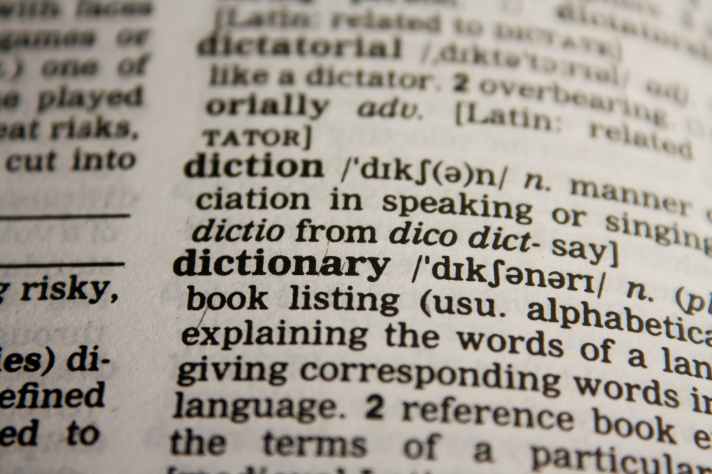
Here is how to understand all about formal and informal vocabulary in the IELTS test.
-

Numerous establishments and organisations—including those involved in immigration, admissions, hiring, and other processes—determine your eligibility for participation based on your IELTS scores. So, how is this scoring done and what is a good score? The type of visa you require will determine what a decent IELTS score is. Either the government, or the academic institution…
-

How to score 9 Bands in the IELTS Speaking test, Format of the IELTS Speaking test.
-

In today’s blog, we’ve tried to combine some of our tried and tested tips and tricks to help you with your listening and reading skills. Some of these tips can be really helpful when attempting the exam, and will provide you with an extended advantage over the average scores for IELTS. Read more to find…
-

Speaking English when it is not your first language is something that almost all decolonised nations feel the threat of. We are people who were made to accept this language over our own native ones, and were then asked to internalise and aim for fluency in this foreign language. That said, most world systems work…
-

From your professional career to social interactions to your home life, improving your communication skills can benefit many areas of your life. We rely greatly on information exchange in today’s busy environment, so having effective communication skills is valued more highly. To convey and interpret information accurately and promptly, good verbal and written communication skills…
-

There are various techniques you can use during a conversation to make your remarks sound more credible and to address your audience with more assurance overall. Below are the five most well-established techniques as to how to speak confidently in public. Speak Slower: Some of us speak more quickly when we are anxious. Some of…
-

Have you ever noticed the behaviour of confident people? How they make use of their language, their way of articulating language, and how they earn people’s respect. In this blog, we will talk about strategies on how you can persuade people effectively. Why is persuading people necessary? Imagine a sales pitch, a salary negotiation, a…
-

Every workplace conversation we have incorporates one or more of the following four conversational styles. They are used in many social situations, such as while talking about the weather, a huge sporting event, or a forthcoming party. They also come in handy while we are becoming acquainted with a new job role, receiving assignments from…